

Powered by Octopus: How Heal Rewilding uses greener energy to grow greener spaces
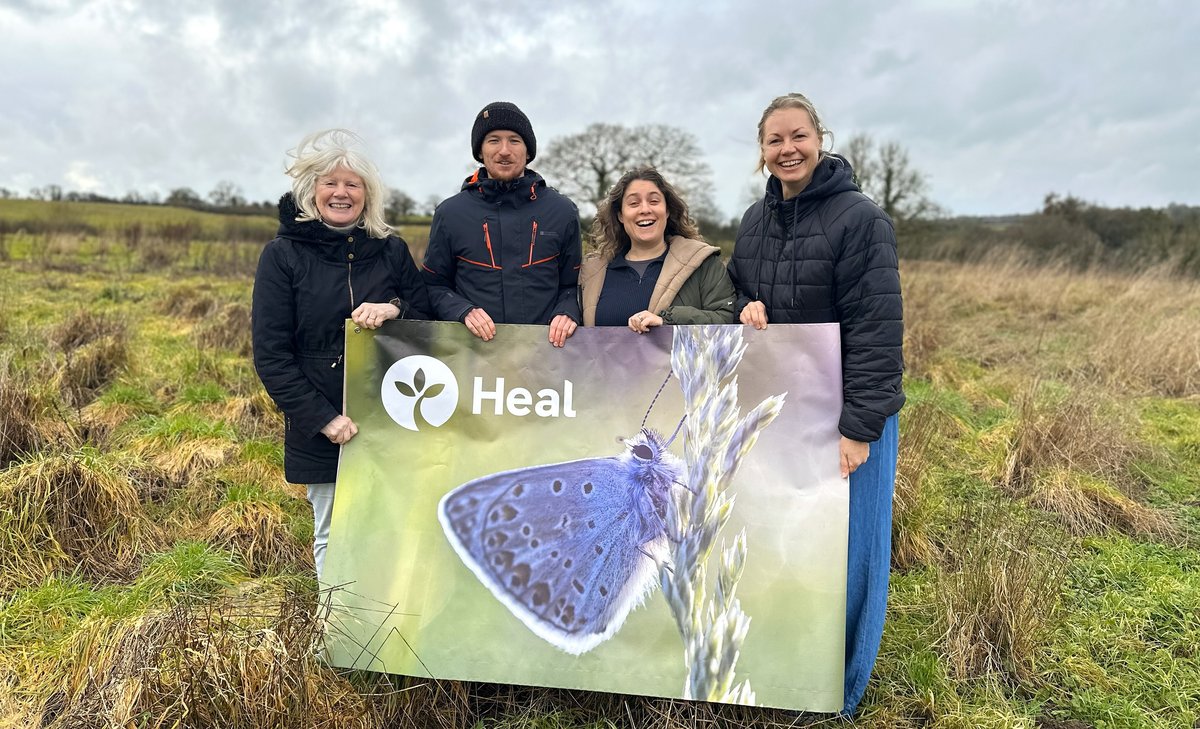
When we want to know how customers are getting on, we go straight to the source.
At Octopus Energy for Business, we're wild about wildlife. Why? Well, for one there's the whole being an Octopus thing. But it's not just that. Our carbon-free energy benefits the whole world, not just humans.
One of our customers, Heal Rewilding, is looking after the planet in a different way. Down in their corner of the wild (south) west, carbon-free Octopus energy is helping them to revitalise nature.
So, we spoke to them about how they're doing it, how it links to the climate crisis and how we can all help.
You know when someone asks you to picture your happy place? What comes to mind?
For lots of us, it’s a tranquil countryside scene. We’re talking trickling streams, pastel wildflowers, the soft hum of natural life. Hundreds of treetop homes for woodland birds and creatures. The earth allowed to develop, uninterrupted.
It’s a beautiful, bucolic scene. But not one we all come across much in real life.
Enter Heal Rewilding, the nature charity that’s creating these idyllic spaces for real. Heal is responding to environmental crises by cultivating safe havens for native flora and fauna. And Octopus’ clean energy is helping them do it.
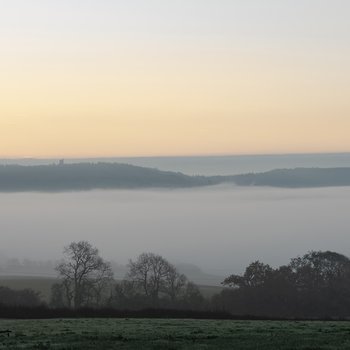
Heal has recently released a new documentary to showcase their activities. So, we took the opportunity to catch up with Jan - one of the founders - to find out more about their project.
Hi Jan! Where are you speaking to us from today?
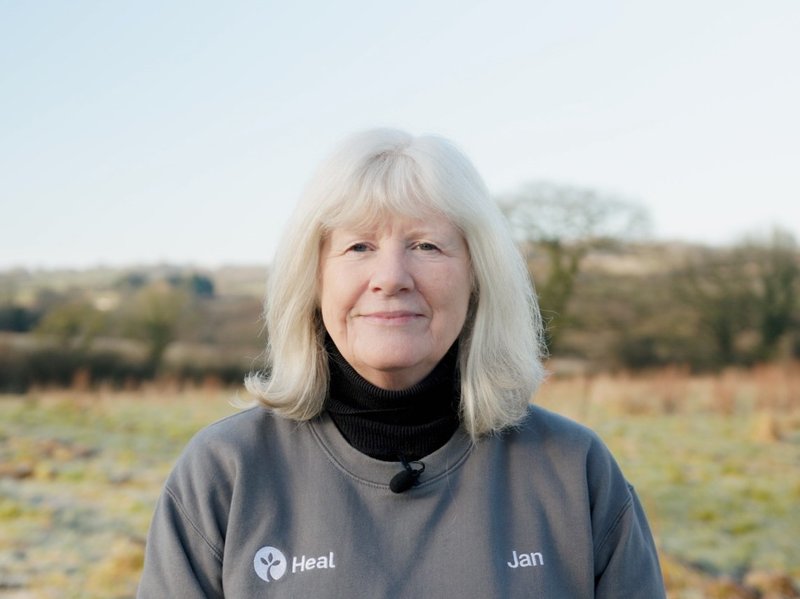
Jan, one of the founders of Heal Rewilding
I’m on the Heal site in Somerset. It covers 460 acres of beautiful, undulating countryside. It was once a dairy farm. Now, we’re transforming it into lush, wild spaces.
This is our first and only site so far. But we’re planning to open 48 - one in every English county.
How did Heal begin?
I met Jeremy - my husband and co-founder - on the first day of university. We connected over our love of nature. As we grew up, had careers and raised our children, our passion for nature grew with us.
Over time, we became more aware of the declining state of nature in this country. We saw how it had become entangled with the climate crisis that threatens our world. All of a sudden, it felt urgent. And it was calling to us.
Heal was our response to this. We investigated rewilding as a remedy. We explored new spaces for nature, led by nature. As a result, we came up with a simple model: raise money, buy land, rewild it. This culminated in Heal’s founding in March 2020.
Wait - that March 2020?
That’s right! The Covid lockdown March 2020. Alarm bells always go off when we tell people that.
By this point, we’d been researching and planning for 3 years. We’d had our first trustee meeting in January and committed to opening at the end of March. People were asking us ‘so, are you going to postpone?’. But we didn’t. This is a nature and climate emergency, we said to ourselves. We can’t wait.
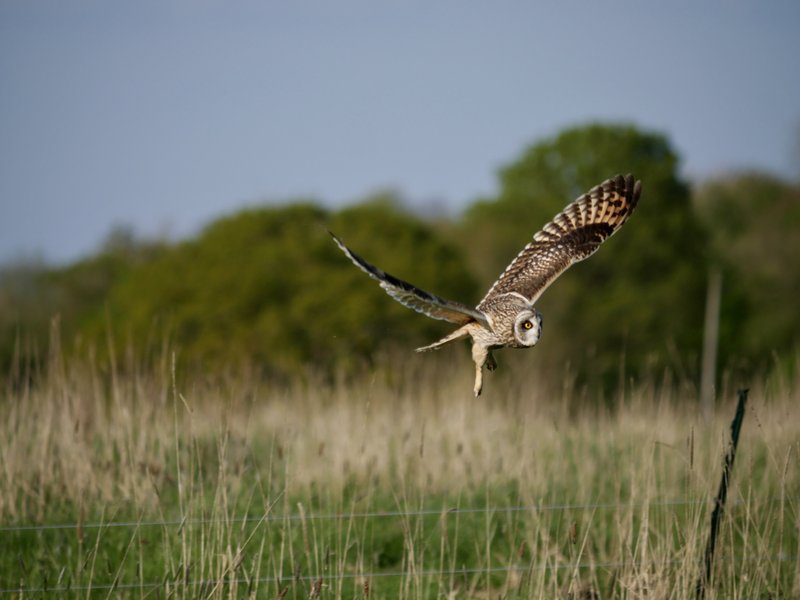
It was one of the best decisions we ever made. During that first Covid-19 lockdown, we were inundated with supportive messages and offers of help. We got 170 volunteers within 3 weeks. In truth, it ended up being a great moment to launch: people had time and wanted to connect with nature.
Wild land is hard to come by these days. A lot of the land we think of as being part of nature - like fields and flowerbeds - are human-made. So, making spaces truly wild again is a big challenge.
Here’s a guiding principle: humans don’t know best.
We have to give nature time to take its course. That way, we can understand how to help and what to leave be.
How do you make rewilding happen?
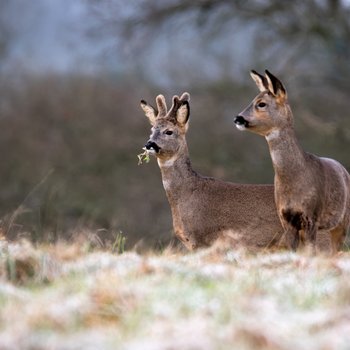
We bring back animals
We call them ecosystem engineers, particularly big animals. They restore the nature of the land, just by living on it. How they eat, how they move, how they interact with vegetation - these activities all make rewilding happen.
Our site has blackthorns with really long spikes. Thousands of years ago, shrubs grew these as a defence against elephants! Obviously, the elephants are long gone, but it tells us that big animals used to live here. So, we’re going to bring them back in the form of pigs, cattle and ponies.
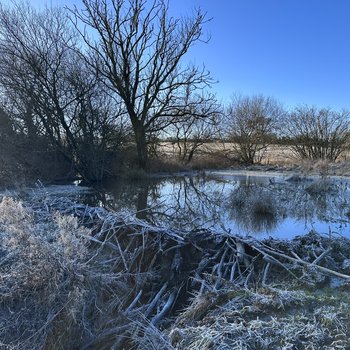
Some other animals find their way here all by themselves. For example, wild beavers have turned up! We knew they might find us eventually, but seeing them within 16 months of opening was a huge delight.
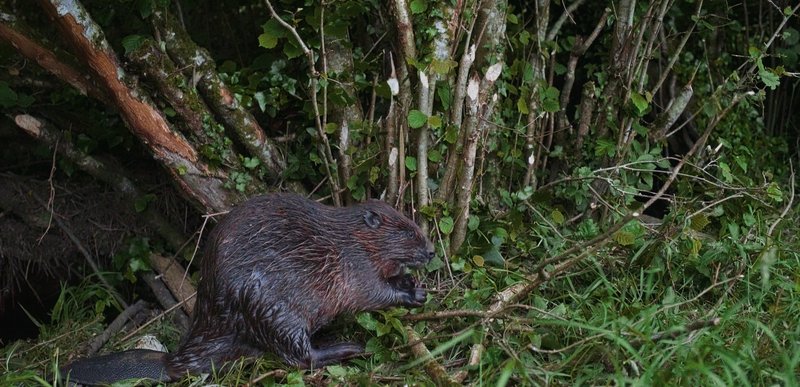
📸 Pete Matthews
We renaturalise the water
Years of adapting land for farming or human habitation have changed where the water goes. We help it to flow naturally again.
When wild land is rained on, the water slowly moves away. It works its way through the ground into a stream or river. But on farmed land, there are drains and ditches which move the water more quickly. So, the land becomes much drier than it naturally would.
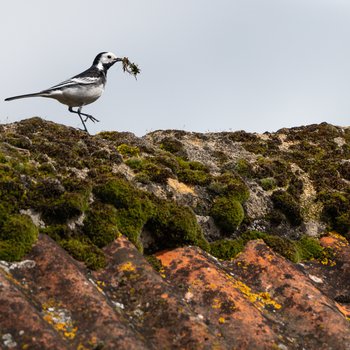
Rewilding in this respect means re-establishing wetter land. Which brings about wetlands and bogs. Which, in turn, become home to wading birds and insects.
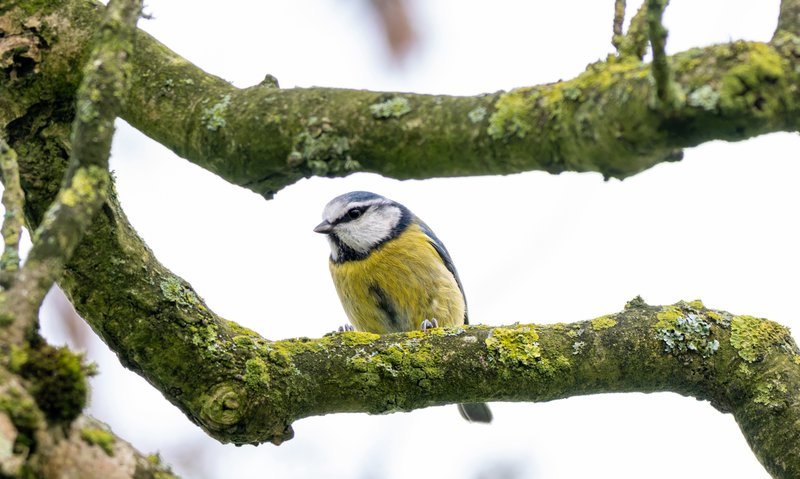
📸 Craig Morris
We trust nature
A lot of our work involves letting nature do its thing. We observe, we monitor and we follow its lead.
Mice and jays plant acorns. Acorns grow into oak trees. Oak trees bear birds’ nests for centuries to come.
What we do represents hope. Across the country, nature is declining. But here, it’s becoming more abundant. Hope is essential when you need action on nature and climate.
Let’s dig into that some more. Can you tell us about the nature crisis and how rewilding helps?
Of course. In a global ranking of states of nature by country, England is 234th. We’re in the bottom 10. The UK as a whole is 187th. This poor ranking reflects years of decline. The depletion of wild spaces, the loss of habitats, the decline of wildlife.
Rewilding restores nature for nature’s sake. It sees the inherent value of wild spaces - including the countless lives that depend thereon.
It also recognises how a thriving natural world can benefit humans. We know how important it is to our wellbeing. In an increasingly stressful and chaotic world, people need nature to escape into.
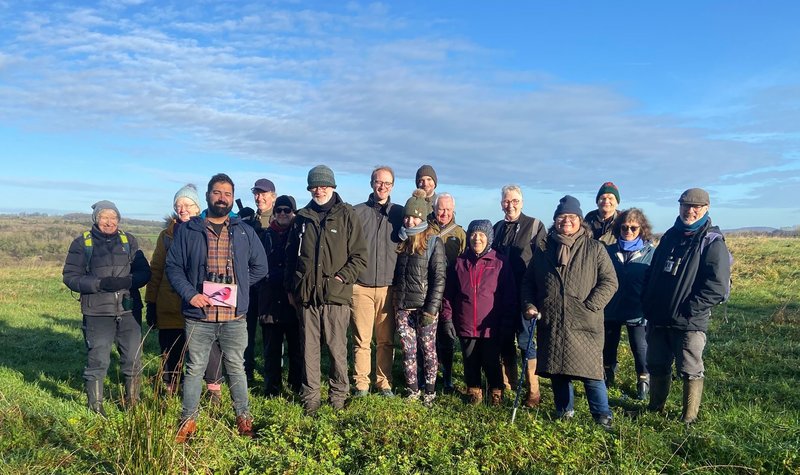
Heal provides for that. Our site is open day and night. People can come and go as they please. We think we’ll be getting thousands of visitors a year soon.
Part of our purpose is to provide access for people who might not interact with nature otherwise. We do dedicated work with underserved groups, like children with additional needs, young parents and people with dementia - to name a few. We help them to feel calmer and more in touch with the natural world.
And how about the climate crisis?
There are 3 key things we’re doing to fight the climate crisis:
Prevention
Our land will no longer be home to activities that emit greenhouse gases. No one will plough or pave our land while it’s under our care. Which means no use of fertilisers or slurry. Or large-scale, methane-producing dairy farming - like what used to happen here.
Growth
We let vegetation grow. More vegetation means more carbon dioxide being captured.
Healing
We nurture healthy, fully functioning ecosystems. These are more resilient and more able to deal with the future effects of a changing climate.
Outside of this, there’s a human element again. People come to see us, they get involved, they feel inspired, they rewild their garden or nearby parks. There’s a snowball effect. Big ambition, like what we have, allows you to move the dial.
Another thing you’re doing to help the climate is using Octopus’ carbon-free energy. How did you decide we’re the right supplier for you?
We’d only ever heard good things! Jeremy and I have Octopus at home. We love the app and have always had a good experience. So, we knew the business supply would be similar to domestic.
It’s important to us that our supplier reflects our values. We wanted one with the right outlook, that’s flexible, that’s looking to the future with renewables. We feel like Octopus is all those things, so it’s a great fit.
Well, we’re delighted to be a part of your mission. How much do you think about your energy usage?
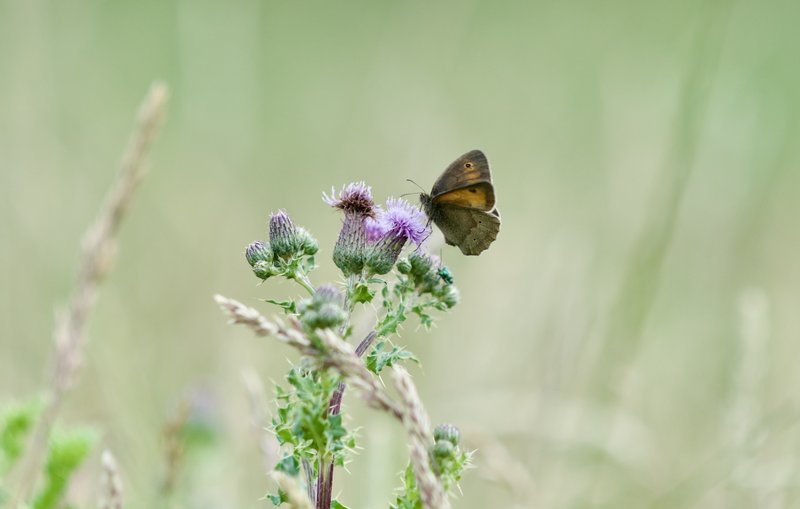
A meadow brown butterfly recharging at Heal
Being an environmental charity, it’s fundamental. Using energy sustainably is at our core.
When you acquire a farm that’s hundreds of years old, like we did, you have to move its infrastructure into the new era. It’s a big job.
We’re transitioning as much as money allows. For example, we want to move away from oil heating, we’d like another electric vehicle charging point and we’d love our own solar panels. We have a vision of our sites being self-sustaining.
Day to day, we’re always on the Octopus app. We use it to monitor usage, via our smart meter. It’s great to have that awareness and control over what we’re using.
Our next step is to join your Shape Shifters tariff. It looks like it’ll save us a good chunk of money on our bills, especially as we can be fairly flexible with our usage.
Are you facing any other energy challenges?
We have certainly felt the bite of energy prices over the winter months, particularly as we're based in an old farmhouse. We’ve been keeping a careful eye on our energy usage and are reviewing how we might be able to economise.
In short, we're doing everything we can to minimise costs and stay as sustainable as possible.
Let’s talk about your film! What can you tell us about it?
It's called Heal the Land. It started when Tom, a volunteer filmmaker, reached out to us. At first, he produced a lovely 5-minute film about the first few months at our site. Then, he kept coming back to get more footage. Another volunteer producer joined him and they started doing even more together - culminating in this new documentary.
It’s about what we’ve been up to and why it’s so important. It’ll show that what we’re doing helps people as well as nature. We even had some young people along to help to shoot it.
It’s a big step for us. We’re so excited to show what we’re achieving. And what kind of changes are possible in a space where you allow life to return.
I’m sure a lot of people will feel inspired by this - how can they help?
There’s so much they can do. For starters, here are 2 great ways to support us:
- Sponsor a 3x3m square of our site for £20. You’ll help us to keep it wild for that year, and can renew your sponsorship for £3 every subsequent year. We’ll give you the what3words address so you can see your exact spot - and even come visit!
- Become a friend of Heal. You’ll get access to some extra resources - and goodies too!
Besides that, it’s always valuable to encourage rewilding at home and in the local area:
- If you have any outdoor space at home - even a balcony - you can help. Get a container and plant something that insects will use. Any native flower will do. Hoverflies, bees and moths will be able to feed from it. So, you’ll be supporting wild nature.
- If you have a garden, let some of it become wild and messy. In nature, anything messy is good for wildlife. Let grass grow, dead wood lie and bare earth stay bare.
- Otherwise, look up your local nature volunteer group. They’re all over the country and would welcome your help.
That sounds very doable! What’s your favourite 3x3m part of the site?
I’ll show you! I took a friend along recently to enjoy the view with me.
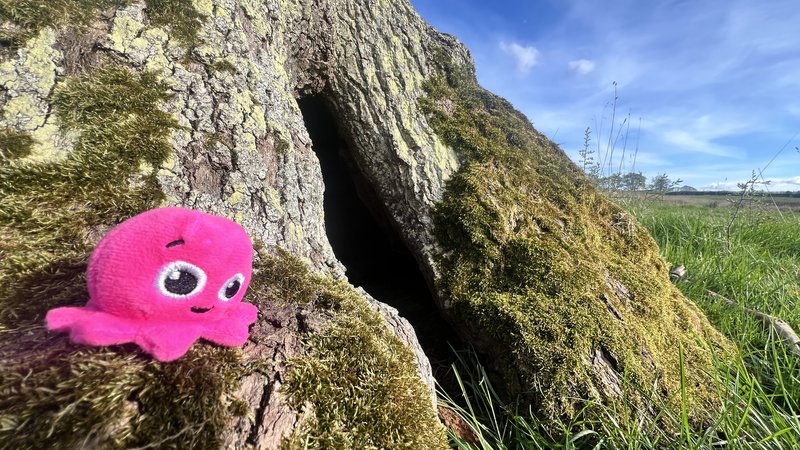
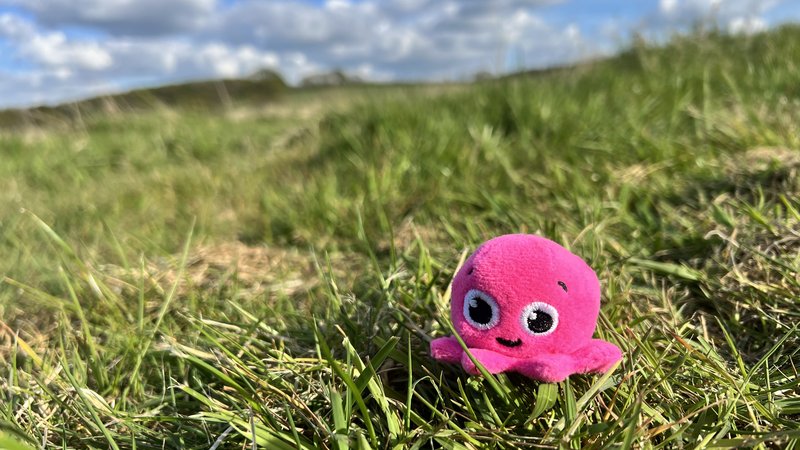
Thanks Jan! It’s been lovely chatting with you.
You’re welcome! And thank you for your recent £1000 donation. We’re grateful for the support.
We hope you’re as inspired as we are by Heal.
It’s been such a pleasure to find out more about their amazing work. We can’t wait to grab some popcorn and watch the film!
You can follow in Heal’s footsteps (don’t forget your wellies) by using Octopus’ clean, carbon-free energy. Head to our homepage to see what we can offer your business or charity.
You can also raise some extra funds for your charity through People Power. You’ll get £50 when someone switches to Octopus using your referral link.
Published on 6th June 2025 by:

Hey I'm Constantine, welcome to Octopus Energy!
×Close window