Solar power without the rooftop with Octopus Energy Plug-in Solar bundles
What are Plug-in Solar panels?
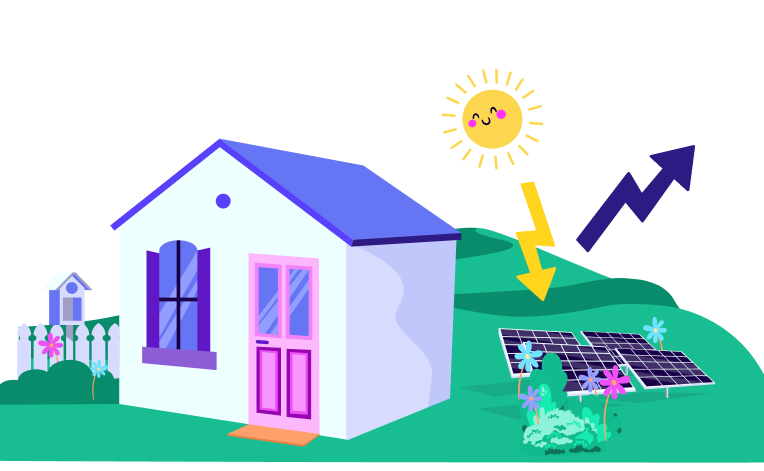
Think of Plug-in Solar as solar power with a normal household plug on the end.
No scaffolding, no holes in your roof and no installation that needs an engineer. Simply set up 1 or 2 panels in a sunny spot — such as your garden, on an outdoor wall or shed — then plug them into a suitable weatherproof outdoor socket.
How do they work?
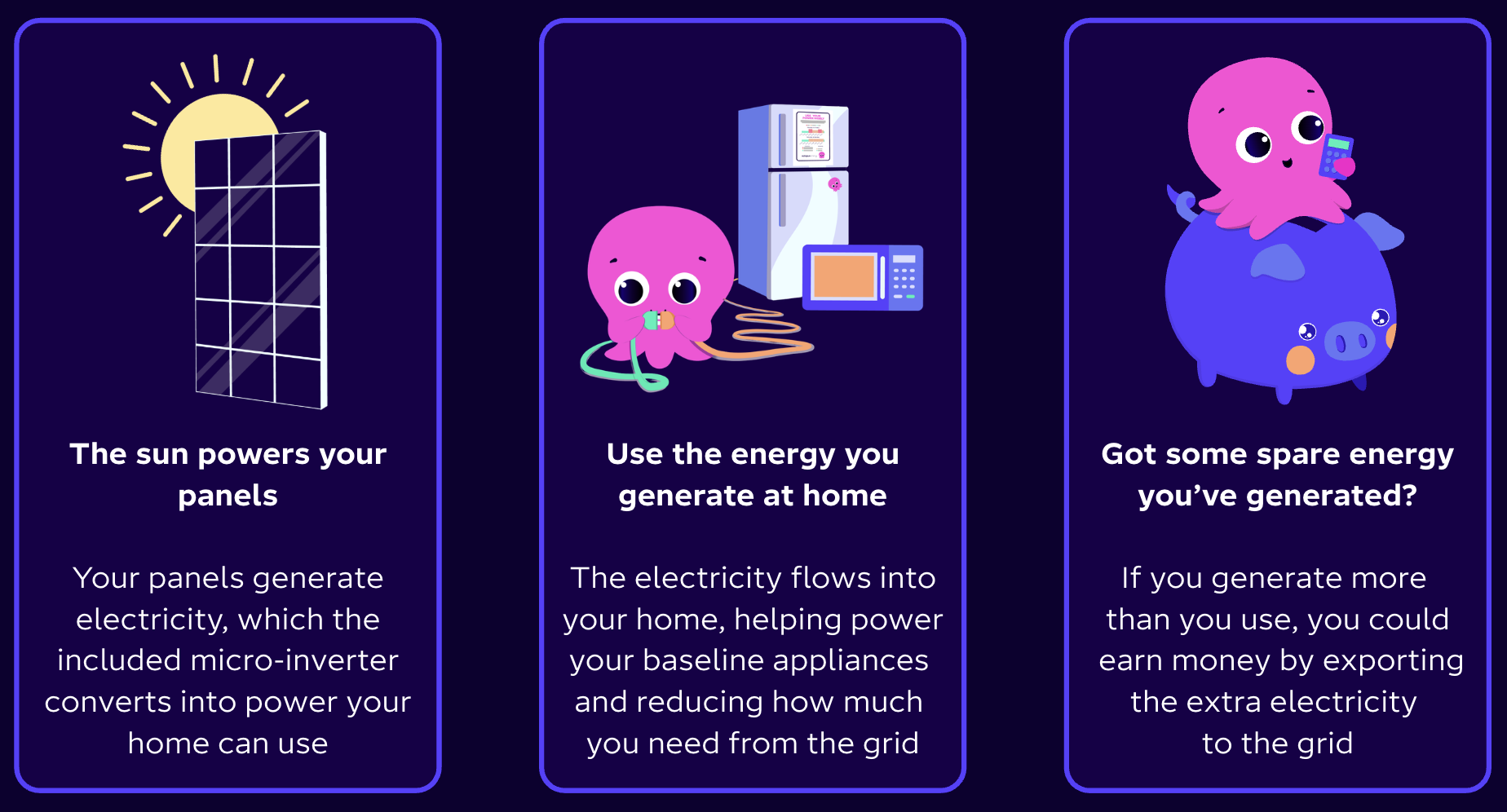
Making your own electricity is easier than you might think. Install your panels on an outdoor wall, in your garden or on your shed roof, then plug them into an outdoor 3-pin socket.
Who are they actually for?
Rooftop solar is fab, but not an option for everyone. Plug-in Solar is a game-changer for:
Renters & flats: Perfect for south-facing gardens, terraces, or patios.
Installing them yourself: Got a sunny wall or a small garden? Pop them up yourself.
When you move house: Because they just unplug, you can take them with you.
Watch our explainer video to find out more
Want to know the ins and outs of Plug-in Solar?
What is available now?
Introducing the Octopus Plug-in Solar bundles
For the keen beans out there who want to get on the Plug-in Solar bandwagon as soon as possible, we've already created a DIY kit with everything you need in one bundle.
Good to know: These will be available for delivery by the end of September 2026.
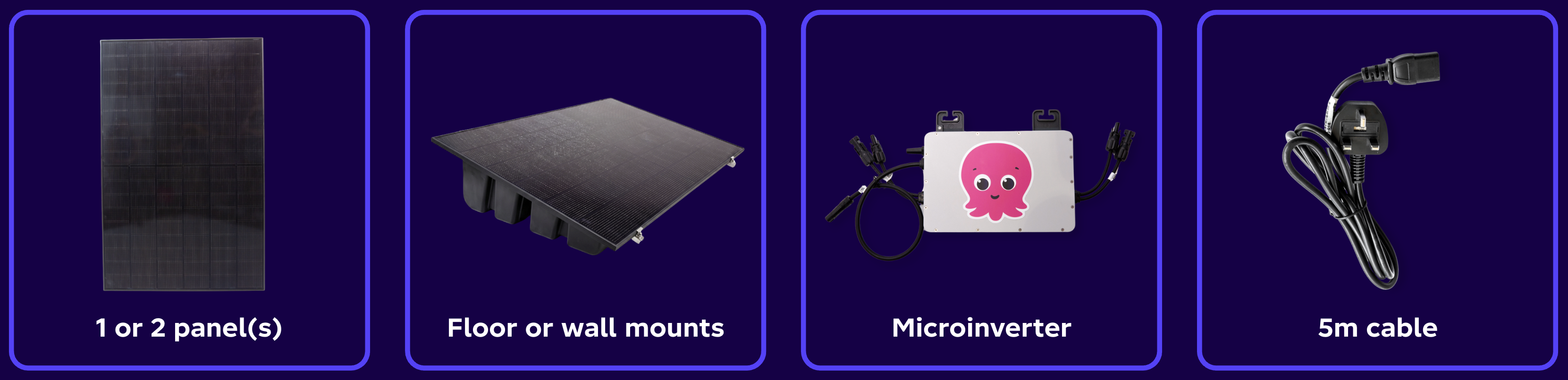
Our bundles include:
The choice of 1 or 2 high-performance 460W solar panels
A wall mount OR a ground mount, depending on where you plan on securing the system
A micro-inverter (turns that sweet sunlight into usable electricity for your home)
A 5 meter cable with a 3 pin plug
Plus, you'll be able to monitor solar generation in the Octopus Energy app if you're an Octopus customer
What do they cost?
At Octopus we're currently offering two bundles that are plug and play with everything you needed to get started.
Single panel bundle: £450
Dual panel bundle: £650, including VAT & curb-side delivery
Delivery
Plug-in Solar bundles will be delivered throughout October and November.
Ordered BEFORE 11 September? Your bundle is expected to arrive by end of September and mid October.
Ordered FROM 11 September onwards? Your bundle is expected to arrive end of October/mid November.
Ordered AFTER 28 September? Your bundle is expected to arrive by the end of November.
We’ll be in touch with your delivery details.
Have a question about your delivery? Fill out this quick form and our team will help.
Important to know
Make sure there’s enough room for the panels and that they won’t block any windows, doors or walkways. Your order arrives on a pallet (approx. [1.8m x 1m x 1.2m] and weighs 90kg for the one-panel bundle and 112kg for the two-panel bundle). Make sure there’s a clear, accessible path from the street to your front door or garden area.
Good news: we’re ENA compliant
We’ve had our Plug-in Solar system assessed by the Energy Networks Association (ENA), and it’s been deemed compliant for use by Distribution Network Operators (DNOs).
In simple terms, our system meets the requirements for connecting small-scale solar generation to the UK electricity network.
You’ll still need to let your local DNO know once you’ve installed your panels — but don’t worry, we’ll tell you exactly what you need to do.
Everything to know about your installation
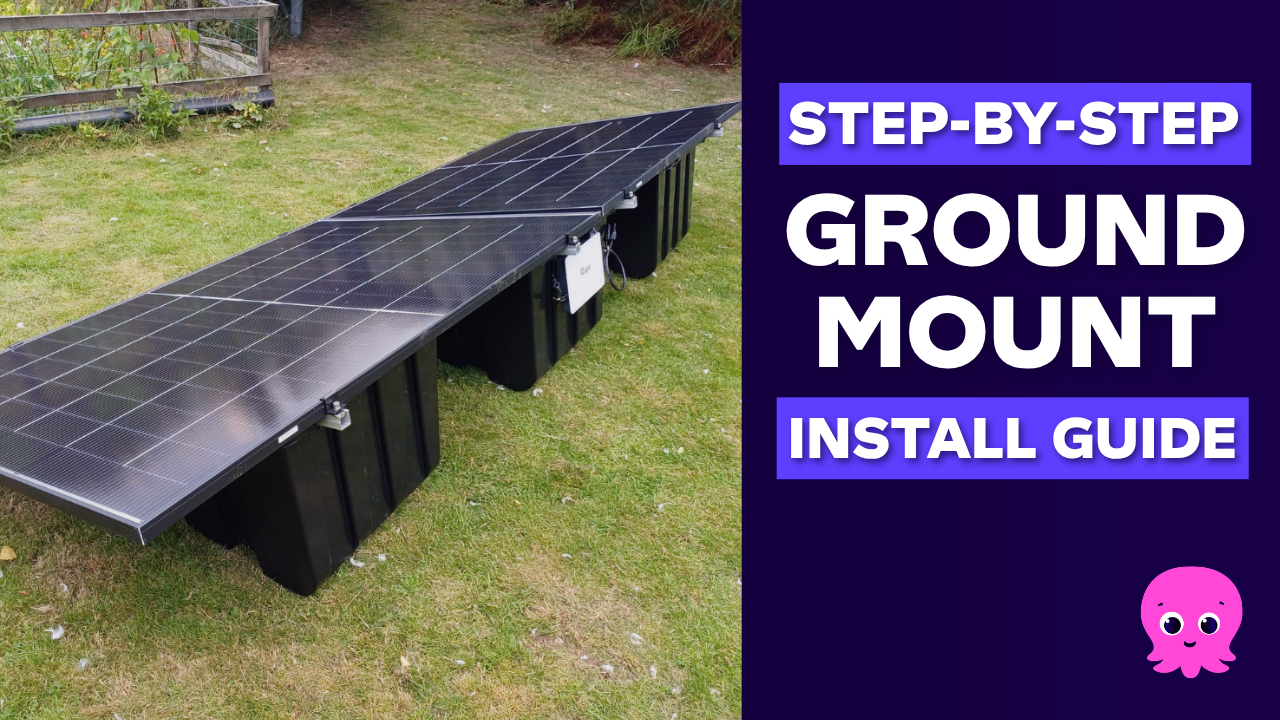
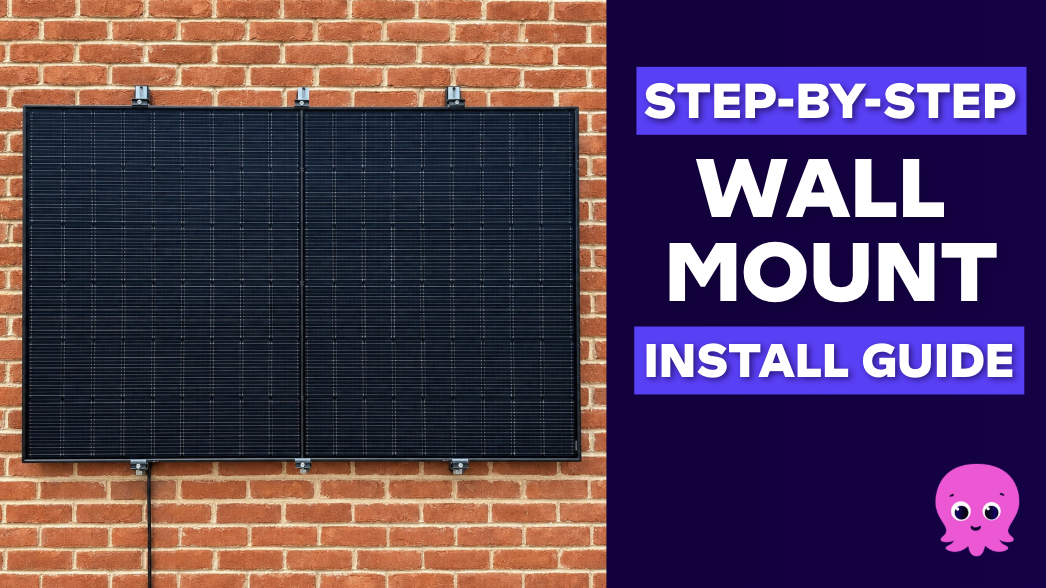
Watch our ground and wall mount explainer video's to find out more
Is Plug-in Solar right for me?
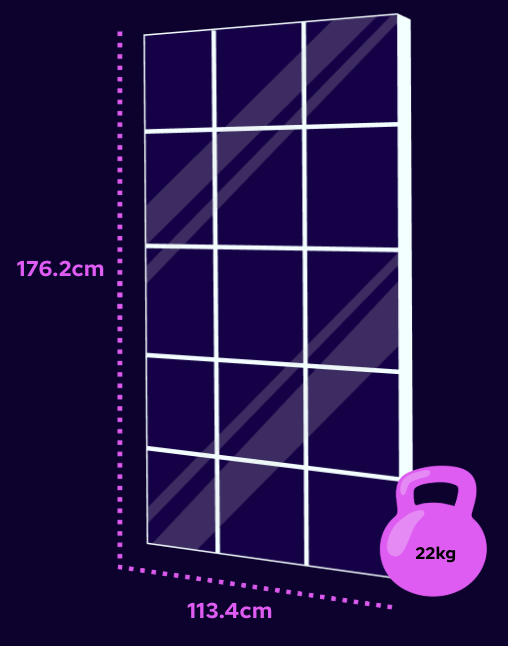
The Plug-in Solar bundles currently available in the UK use full-size panels (around 1.8m × 1.1m and 22kg each). They’re a good option if you have the space and can safely secure them yourself.
Looking for something smaller and lighter? More compact Plug-in Solar options are coming in Spring 2027. Pop your details in here and we’ll let you know when they’re ready.
A good fit if:
A sunny spot: Plenty of sunlight with minimal shade
A safe place to install it: Garden, patio or outdoor wall
Daytime electricity use: So you can make the most of the solar power you generate
Room for a full-size panel: Around 1.8m × 1.1m
A suitable property: Check the UK electrical safety advice before you buy
What is coming in Spring 2027?
Something new is coming soon!
Our current Plug-in Solar bundles won’t be right for every home – so we’re already working on something new. Think smaller, lighter and easier to move Plug-in Solar panels, making it even simpler to generate your own solar energy at home.
Want to be first in line? Pop your email below and we’ll let you know when they’re ready, hopefully early next year.
When is Plug-in battery in the UK available?
We don’t have a confirmed date yet for when Plug-in batteries will be avaliable in the UK and able to export energy back to the grid, but we’re hoping it’ll be in early 2027.
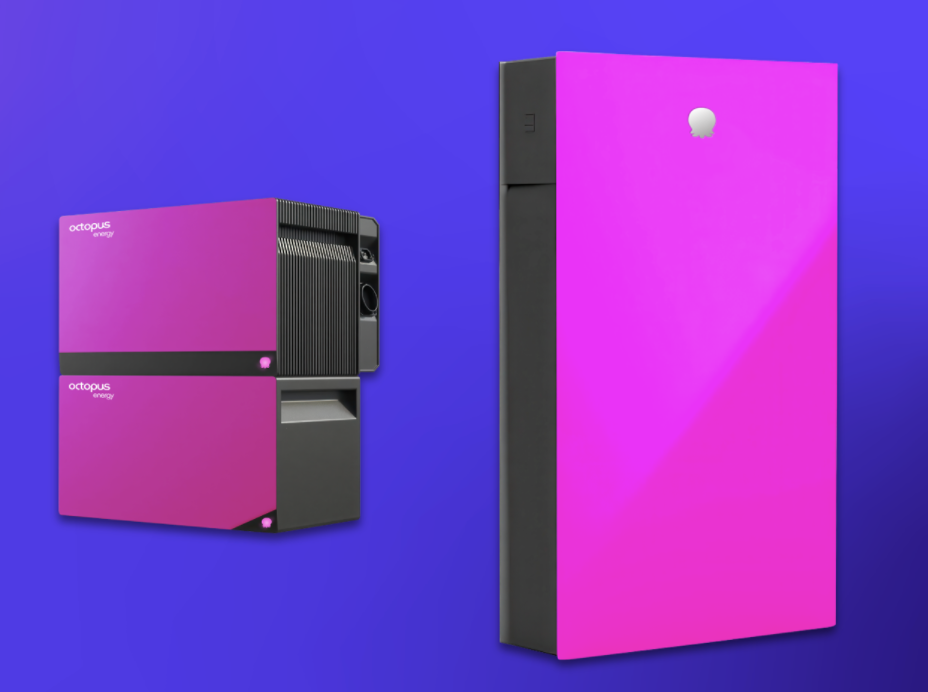
We’ve also got something exciting in the works – our new home battery range, Octopus Nook. Want to be the first to hear about it? You can register your interest by following this link.
Frequently asked questions
Export & Savings
If you buy your plug in solar panels from Octopus, you'll be able to join one of our export tariffs.
Here's how it shakes out, depending on who supplies you:
You buy Plug-in Solar from us AND we supply your home energy: You get access to Octopus Outgoing — our top-tier export tariff that pays you our absolute best rates for every bit of extra sunshine you send back to the grid.
You buy Plug-in Solar from us, but another provider supplies your home: You can still soak up the sun, but you’ll need to set up an export tariff directly with your current energy supplier.
You buy your Plug-in Solar elsewhere: You won't be able to sign up for an Octopus export tariff for that system.
Note: When your panel(s) arrive, you won’t be able to set up your export tariff right away. You’ll need to register it on the ENA website and wait for approval by your local DNO (Distribution Network Operator). Once approved, you’ll be able to let us know, and sign up.
Note: You will not be able to do set up your export until your panels arrive. When your panels are on their way, we’ll send you everything you need to know, including next steps of how to set up your export.
This is where it get's a bit complicated because it really depends on your set up, your usage and how much sun your get!
Two panels will of course generate double what a single panel will and the more sunny it is, the more energy you'll generate. However the biggest influence on your savings is how much you can use electricity while the panels are generating, during sunlight hours.
We've made some assumptions based on an optimal set up, south facing positioning and utilising as much of the sunlight by the household as possible, plus any possible export earnings.
We estimate savings could be anywhere from £50 - £150 a year. Once plug-in batteries launch next year, this saving potential will grow.
Installation
Each solar panel is approximately 1.8m x 1.1m, so you'll need enough suitable outdoor space for one or two panels, depending on the bundle you choose.
That could make plug-in solar a good option for flats, rented homes or smaller spaces — as long as you've got somewhere suitable to safely install the panels.
We're also working on more compact panels for homes where space is tight.
Want to hear about our upcoming compact solar and home battery products? Sign up here and we'll drop you a line when they're ready early next year.
Everything you need to set up your plug-in solar system is included in your bundle. Depending on where and how you install your panels, you may need a few extra bits.
Using the ground mount? You’ll need something heavy, like gravel or bricks, to help keep it securely in place.
Wall mounting your panels? You'll need the right tools and fixings for the surface you're attaching the mount to.
Always follow the installation instructions and make sure your chosen spot and fixings can safely support the panels.
No. The new planning rules mean plug-in solar can't be installed under permitted development on wooden fences, gates, walls, balconies or enclosures.
The rules around timber sheds aren't completely clear, so we recommend checking with your local planning authority before installing on a wooden structure or avoid mounting on this material all together.
It depends on where you're putting your panels and whether you've chosen one or two.
There's no roof installation, scaffolding or full solar survey involved, so it should be much simpler than installing traditional rooftop solar.
Just make sure you give yourself enough time to mount everything securely and follow the installation instructions carefully.
No. Plug-in solar systems under 800W can be self-installed without an electrician.
Once your panels and micro-inverter are safely installed, plug the included 5-metre cable directly into a suitable weatherproof, exterior-rated 13A socket.
Don't use an extension lead. If you're not sure whether your home's electrics or outdoor socket are suitable, speak to a qualified electrician before you get started.
Not all UK fuse boxes are suitable and should be checked, find more advice on the official electrical safety website.
No. Plug-in solar won't power your whole home.
Instead, it can help cover some of the electricity you're using during the day. Think of everyday background electricity use, like your fridge, Wi-Fi router, TV, lamps and devices on standby, while the sun is shining.
It's not designed to run lots of high-power appliances at once, such as electric showers, ovens or EV chargers.
Yes. Your panels will still generate electricity on cloudy days and throughout winter, but they'll generally produce less than they would in bright, direct sunshine.
How much you generate will depend on things like cloud cover, daylight hours and the strength of the sun.
You'll typically generate more electricity in spring and summer, when the days are longer and sunnier.
Installation day is here! Welcome to the Low-Carbon Tech Revolution.
Want to know everything about how to set-up your Plug-in Solar? Check out our install guide.
Step-by-step ground mount install video
Step-by-step wall mount install video
Safety
Yes. The kit is designed for outdoor use when installed correctly.
Your panels and electrical equipment need to be securely installed according to the instructions and connected directly to a suitable weatherproof, exterior-rated socket.
Don't use an extension lead or run the cable through a window or door.
If the grid goes down, your system will automatically stop supplying electricity.
This is an important safety feature that stops electricity being fed back into the network while engineers may be working to restore power.
Your plug-in solar system isn't designed to provide backup power during a power cut.
No. When there's no sunlight, your panels simply stop generating electricity.
There's no need to switch the system off every evening.
Yes. Plug-in solar systems are limited to a maximum of 800W.
Our bundles are designed to stay within this limit, so don't combine multiple plug-in solar systems if doing so would take your property over 800W.
If you want to generate significantly more electricity, a traditional rooftop solar system could be a better fit.
Not all fuse boxes are created equal, so you should check out the electrical safety advice here if you're unsure about yours
Yes. You'll need to notify your local Distribution Network Operator (DNO) about your plug-in solar installation.
Your DNO manages the local electricity network. Letting them know about your installation helps them keep the network safe and properly managed.
We’ll provide all the details you need to contact your DNO through the ENA process when your panels are delivered.
G98 is the process used to notify your local electricity network about certain small-scale electricity generators connected to your home.
Plug-in solar is a form of small-scale generation, so the relevant G98 notification requirements apply.
We'll give you guidance on what you need to do as part of setting up your system.
Yes. The products will have the relevant ENA certification in place before delivery.
You’ll also need to register your device so your local Distribution Network Operator (DNO) knows about your installation. The good news is, you only need to do this in one place — through the ENA portal. The ENA will then pass your details on to the relevant DNO for you.
If you can’t find your device by searching for the manufacturer, model or device name, it may still be undergoing assessment. Please check again after a few days before submitting your registration.
Returns
Yes. If you decide the product isn’t right for you, you can return it within 14 days of receiving it.
Simply fill out this quick form and highlight you would like to make a return. We’ll arrange collection, and a £60 collection fee will be deducted from your refund.
If any part of your bundle arrives damaged or isn’t working, please fill in this quick form and let us know what’s affected. We’ll arrange to get it sorted for you.
Still have questions?
Want to cancel your order or have a question? Fill out this quick form and our team will get back to you as soon as possible to help you.